

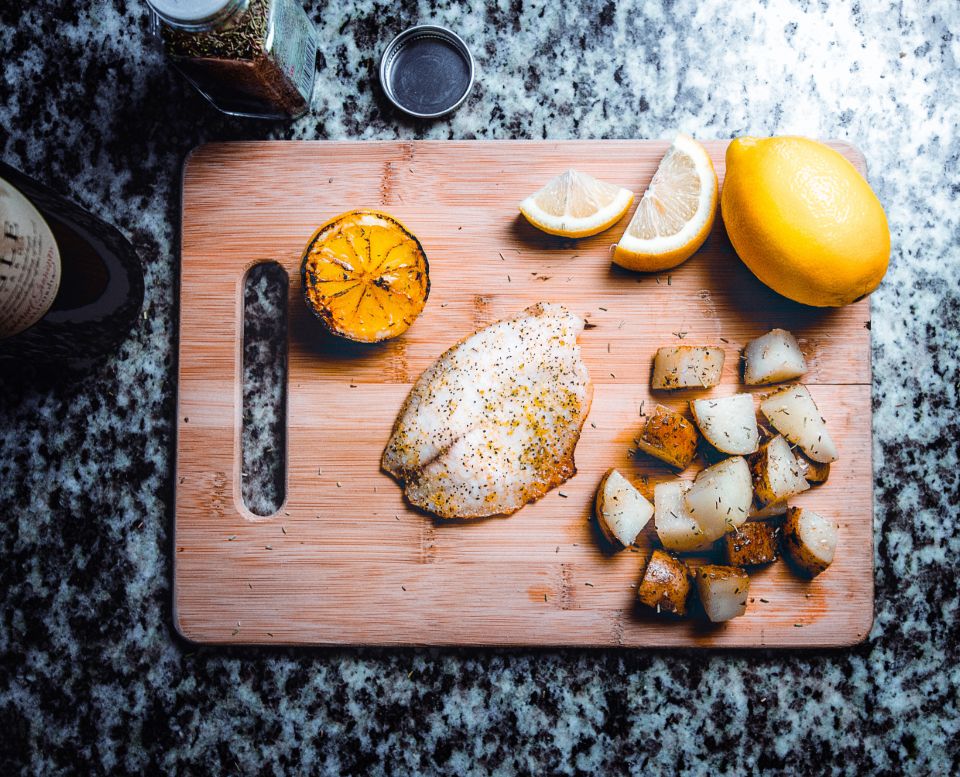
Fish is one of the easiest healthy foods to put on the table. A piece of grilled salmon or a tin of tuna on toast takes minutes to prepare. Yet many people have heard that some fish contain mercury and are not sure what to make of it. Pregnant women and parents of young children often feel this worry most.
Australian food safety advice on this topic is clear and practical. It does not tell anyone to stop eating fish. Instead it points to a short list of fish to limit and gives portion sizes for different groups. Here is what the advice says and how to use it at home.
Why fish is worth eating
Fish brings a lot to a balanced diet. Food Standards Australia New Zealand describes fish as a good source of protein, omega 3 fatty acids, iodine and important vitamins. It is also low in saturated fat. For most people, the benefits of eating fish far outweigh the risks from mercury.
That is because most people eat moderate amounts of fish. The advice states that there is no need for anyone to stop eating fish altogether. This includes pregnant and breastfeeding women. The aim is simply to choose wisely and keep an eye on portions.
How mercury gets into fish
Mercury occurs naturally in the environment. The Better Health Channel in Victoria explains that microorganisms turn mercury in ocean sediment into methylmercury. Fish absorb this through their gills and digestive tracts. Methylmercury is the most hazardous form.
All fish contain some mercury, but most have low levels. The amount depends on the species, size, location, habitat, diet and age of the fish. Large predatory fish that live a long time tend to have higher levels than smaller, younger fish. Swordfish and shark are good examples of fish at the top of the food chain.
Cooking does not solve the problem. According to the Better Health Channel, processing, preparation and cooking do not significantly reduce the mercury in fish. So the choice of fish matters more than how you cook it. That makes the advice easy to follow.
Why some groups need more care
High levels of mercury can damage the nervous system. Unborn babies, infants and young children are especially vulnerable because they are growing and developing quickly. Some studies have linked high fish intake during pregnancy with subtle developmental delays in children. That is why the advice has separate guidance for these groups.
The Better Health Channel notes that the unborn baby is most sensitive, especially during the third and fourth months of pregnancy. Effects on the brain and nervous system may not show until milestones such as walking and talking are delayed. The same page says mercury levels in breast milk are not considered high enough to pose a risk to a baby after birth. This is reassuring news for breastfeeding mothers.
What the portion advice says
The advice uses set portion sizes. For women who are pregnant or planning a pregnancy, one portion is 150 grams. For children up to six years, one portion is 75 grams. For the rest of the population, one portion is 150 grams.
The Better Health Channel gives handy comparisons for these amounts. A 150 gram portion is about two frozen crumbed fish portions. A 75 gram portion is about three fish fingers. These sizes are different from the 100 gram serve of fish used in the Australian Dietary Guidelines. For pregnant women, women planning a pregnancy and children up to six, the guidance works like this:
- Most fish and seafood: two to three portions a week.
- Orange roughy (also sold as sea perch) or catfish: one portion a week and no other fish that week.
- Shark (flake) or billfish such as swordfish, broadbill and marlin: one portion a fortnight and no other fish that fortnight.
For everyone else, two to three portions a week of most fish is fine. Shark and billfish should be limited to one portion a week with no other fish that week. The Better Health Channel says women who have had the odd meal of a higher mercury fish should not be worried. The body clears mercury over time, and levels only become unsafe after regularly eating high mercury fish over many months.
Lower mercury choices for everyday meals
Plenty of popular seafood is lower in mercury. The Better Health Channel lists shellfish such as prawns, lobster and oysters, as well as salmon and canned tuna. These make easy weeknight meals. A salmon fillet with vegetables or a tuna salad suits most households.
Fish can sit alongside other healthy protein sources across the week. Some families like to rotate fish with legumes or tofu, and you can read more about these foods in our post on soy foods. A mix of foods keeps meals interesting. It also makes it easier to stay within the portion advice.
Practical tips for shopping and eating out
Fish names can be confusing, especially when the same fish is sold under different names. If you are not sure what a fish is, ask the person selling it or the staff at a restaurant. Food Standards Australia New Zealand also suggests checking the serving size on packaged and canned fish. A serving on the label may be bigger or smaller than the portion sizes in the advice.
You can also split a portion across meals. For example, a young child might have half a portion of fish at two different meals. Shared seafood platters at celebrations are common too, from birthdays to bridal party activities. If you are pregnant, pick prawns and salmon from the platter and leave the swordfish for others.
Family meals are a good time for young children to try fish. Serving fish at family meals with toddlers lets them try new flavours in a relaxed setting. Pair fish with familiar sides so the plate feels less strange to them. Keep portions small and in line with the 75 gram guide.
Fish is not the only food worth thinking about for gut and overall health. Yoghurt and other probiotic foods are another easy addition to a varied diet. Planning a week of meals with fish, vegetables and fermented foods can be simple. Start with one fish meal a week and build from there.
Frequently asked questions
Should I stop eating fish while pregnant?
No. The advice says there is no need for anyone, including pregnant women, to stop eating fish altogether. The aim is to limit a few fish that are higher in mercury and watch portion sizes.
Is canned tuna safe to eat?
The Better Health Channel lists canned tuna among the fish that are lower in mercury. Check the serving size on the tin. Compare it with the portion size for your group.
Does cooking fish remove mercury?
No. Processing, preparation and cooking do not significantly reduce the mercury in fish. Choosing the right type of fish is what makes the difference.
Is it safe to breastfeed if I eat fish?
The Better Health Channel says mercury levels in breast milk are not considered high enough to pose a risk to a baby. The main risk from mercury is to the baby before birth. Speak with your doctor if you have concerns.
This article is general information only and is not medical advice. Please speak with your doctor or a qualified health professional about your own diet, especially during pregnancy or when feeding young children.